
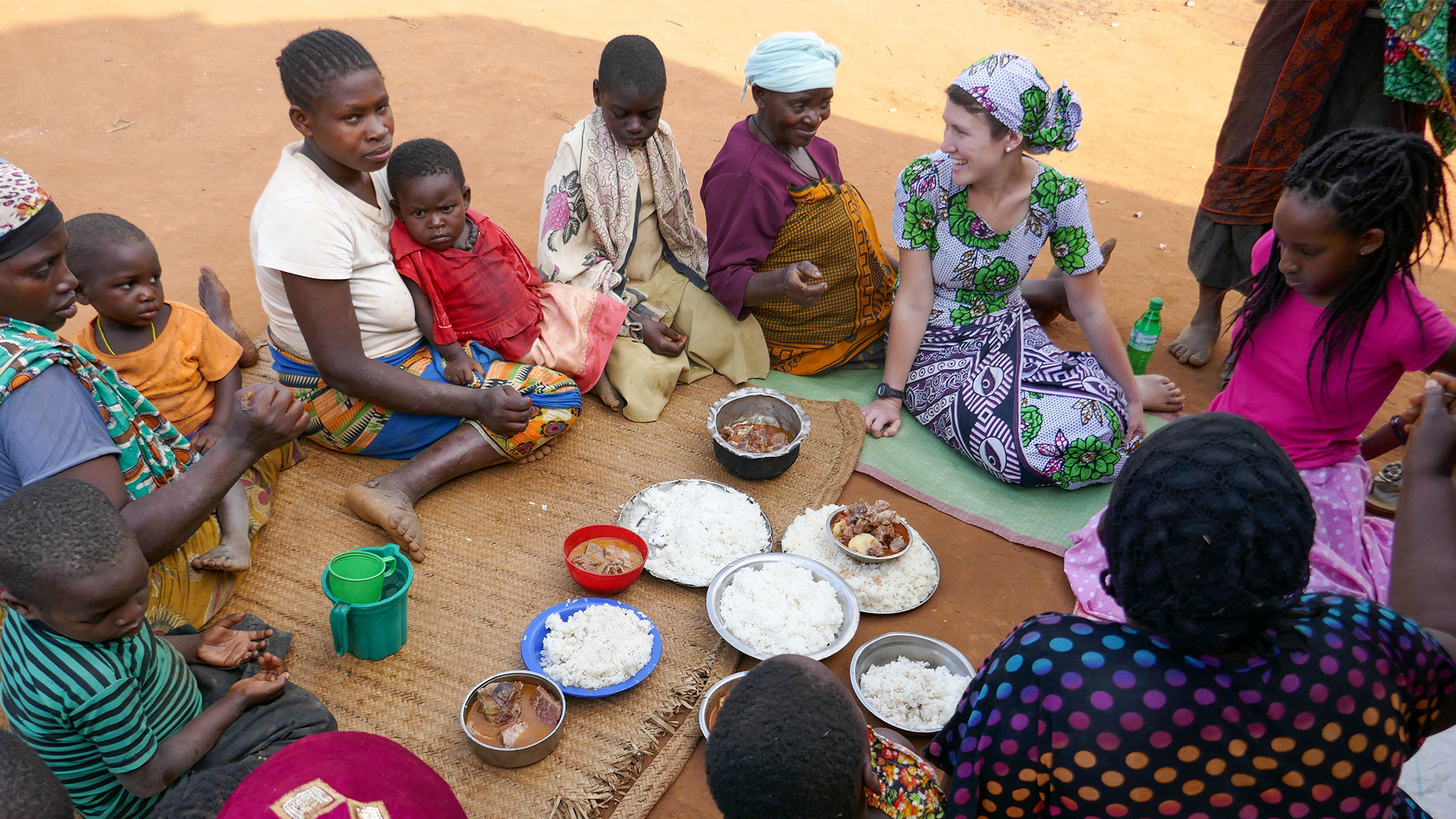
Pray for the 631,000 Zigua who live on the North-East coast of Tanzania. Praise God for the
“God is at work here”
Our village leader, Mwenyekiti, is a force to be reckoned with. She is well respected in the village and is full of wisdom. She is also adamantly opposed to hearing about the gospel of Jesus Christ.
Standing Firm
Emmanueli is a new Zigua believer. He has been rejected by his community and extended family because of his commitment to Jesus.
The Krahns share their story
We didn’t always want to be church planters and ten years ago we had never even heard of the Zigua people. Our journey to becoming missionaries was a slow process… The Krahn’s tell their story.
Speak Zigula
There are many dialects of Zigula, and there is no standard way of writing it down, but it is spoken by about 380,000 people.
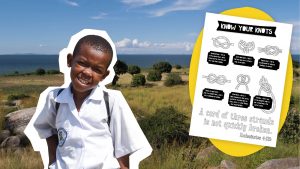
Know your knots!
To help look after our oceans better, people are starting to use sisal to make ropes again. Why not download this sheet showing you how to tie different knots?