Sakalava of Madagascar
Pray for the 1.4 million Sakalava of Madagascar who live on the west coast of the island

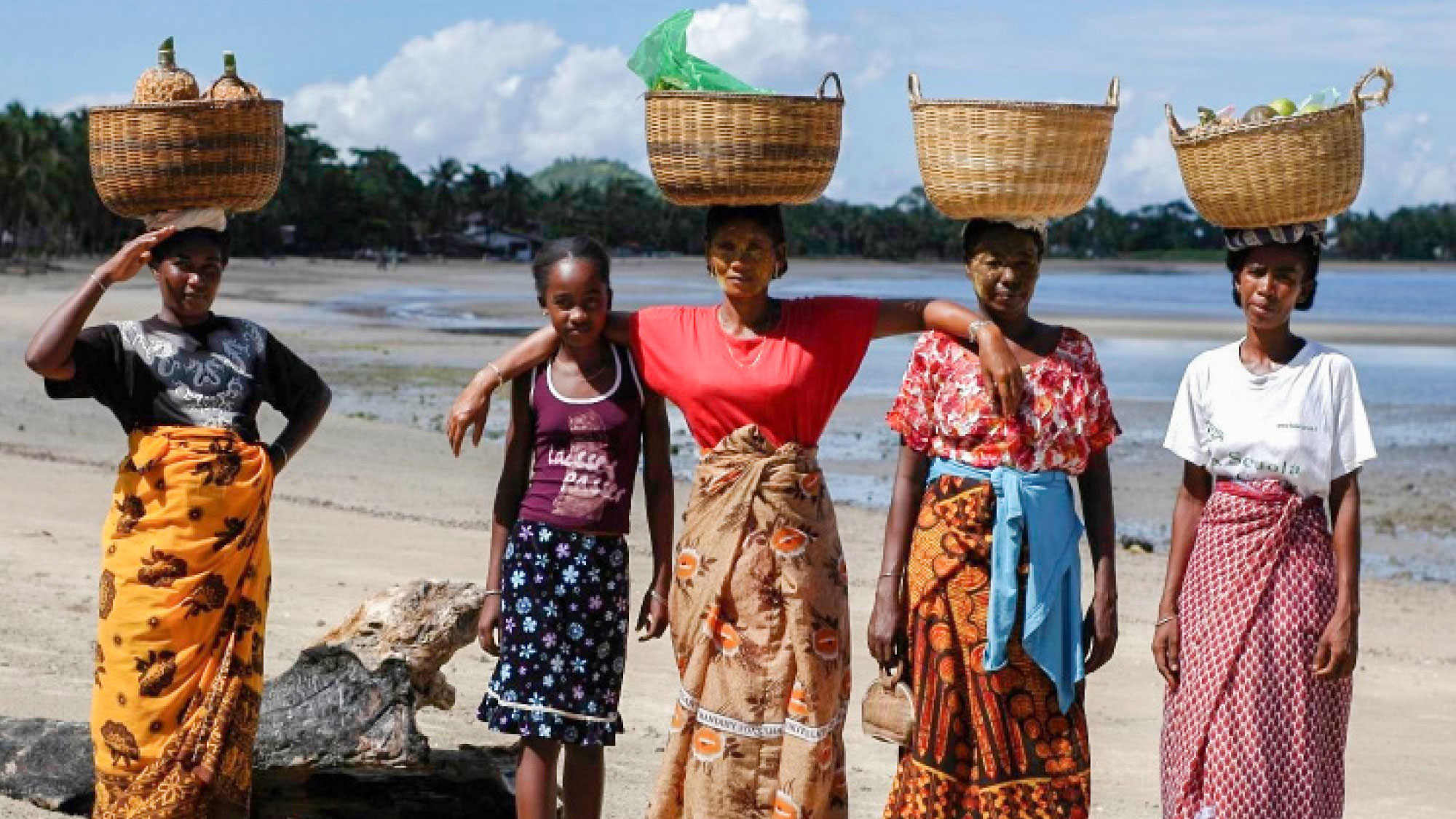
Pray for the 1.4 million Sakalava of Madagascar who live on the west coast of the island
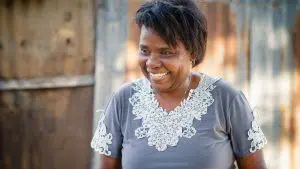
For many missionaries, the call to the mission field involves crossing borders, cultures and languages. But Rosina Ferdinand’s story is a bit different. Now AIM’s country leader for Madagascar, she is a missionary living and working to share the gospel among her own people, the Sakalava, on the very island she
grew up on.
Hervé is Malagasy and lived in Madagascar until he was 24, when he joined Nathalia, who is Swiss, in Geneva. They got married and have three children, Rija (11), Andry (9) and Mialy (5). They are just starting ministry in Nosy Be, an island off Madagascar. We asked them how God led them to the mission field.
‘Look up at the sky and count the stars…so shall your off-spring be’ (Genesis 15:5). Time and again in the long years that followed, Abraham would have been reminded every time he looked up at the night sky of this promise from God.
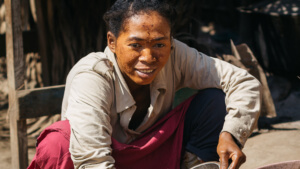
The Sakalava live in the west and northwest of Madagascar. They are a minority ethnic group, making up about 6.2% of the population.
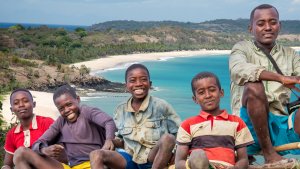
“Things will be right when God takes his rightful place in our lives and in our societies.” (Evangelist Michael Fackerell). Karin Mende explains how this is exactly what AIM has been working towards in Madagascar for about 20 years and what their biggest challenges are.